Pressure regulator installation & repair in Concord & the Bay Area.
High pressure damages pipes, fixtures, and equipment. We fix it.
California code requires a pressure-reducing valve when incoming pressure exceeds 80 PSI — and most commercial properties run higher than that. We test your system, install the right PRV, and document everything for your permit records.
- Pressure tested at the meter — Static and dynamic readings before we recommend anything.
- Sized for your facility — Matched to line size, flow demand, and zone requirements.
- Code-compliant installation — Isolation valves, union fittings, set to 60–75 PSI per CPC.
- CA Lic. #802256 — Licensed, insured, and family-owned since 2001.
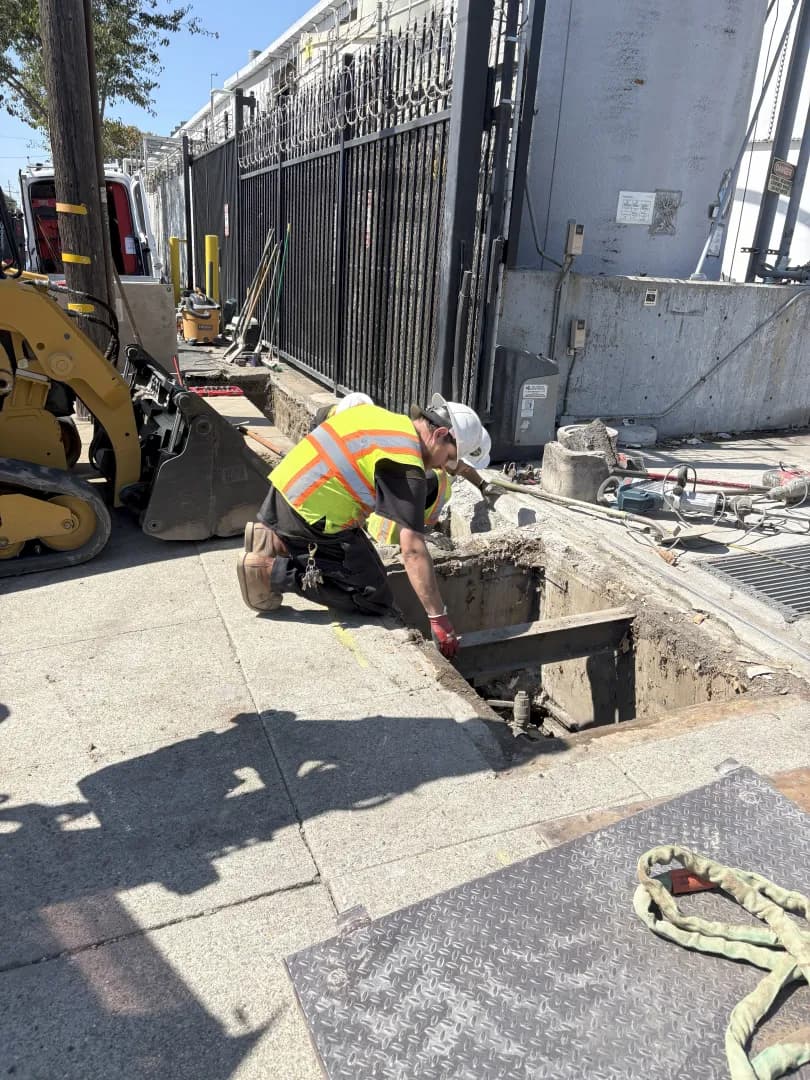
Code-Compliant Install
Protects your plumbing system
What We Do
Installation, replacement,
and full-system testing.
A pressure-reducing valve (PRV) is the first line of defense against high-pressure damage in any commercial building. When incoming pressure exceeds 80 PSI — a code violation — pipes, fixtures, water heaters, and appliances all bear the stress.
We test incoming pressure at the meter, select a valve matched to your line size and flow demand, install it with isolation valves and union fittings for future service access, and confirm downstream pressure at multiple points before we leave.
Get a pressure test scheduledHow It Works
Tested, installed,
and verified.
- Step 1:
Measure Incoming Pressure
We test static and dynamic pressure at the meter. Over 80 PSI requires a PRV by code; over 100 PSI is actively damaging your system.
- Step 2:
Select the Right PRV
We match the valve to your line size, flow demand, and downstream pressure requirements for the facility.
- Step 3:
Install & Set
Proper installation with isolation valves, union fittings for future service access, and pressure set to 60–75 PSI per code.
- Step 4:
Verify & Document
Downstream pressure confirmed at multiple points. Installation documented for your permit records.
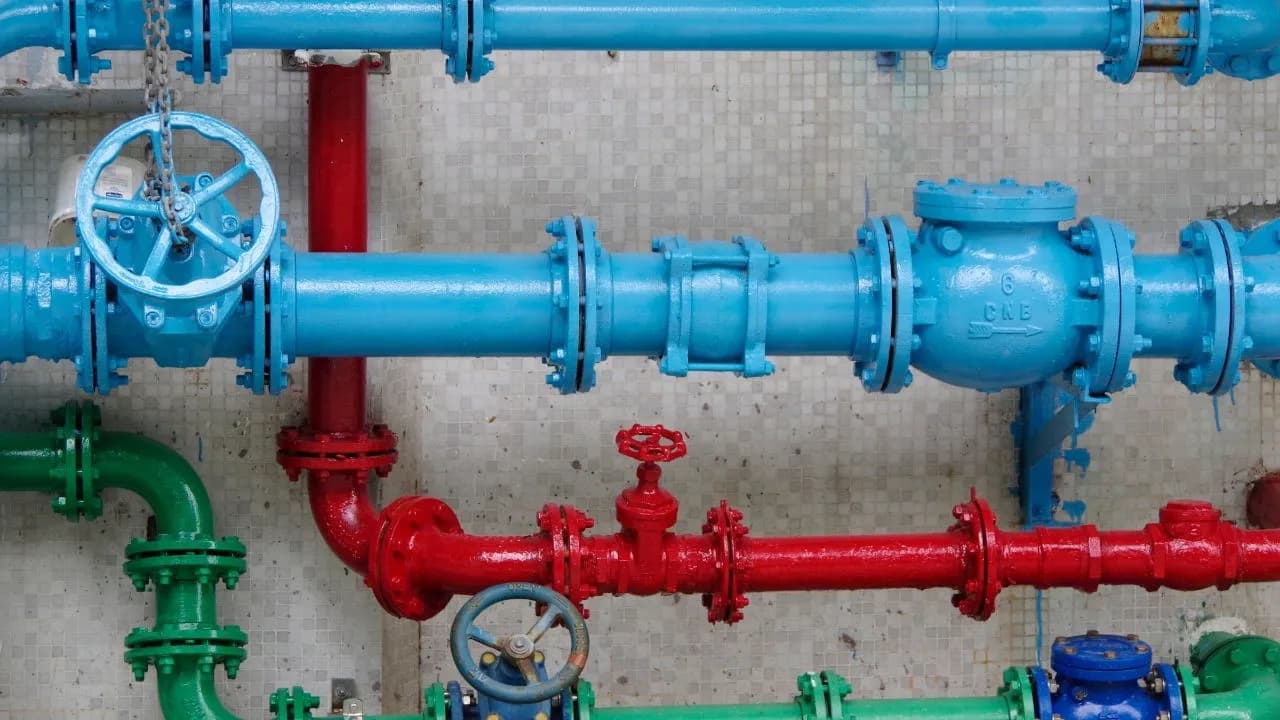
Diagnosis Guide
High pressure, low pressure, or inconsistent — we diagnose it.
Pressure problems present differently depending on the cause. We test before we recommend — so you get the right solution, not the easiest upsell.
Pressure problems and their solutions
PRV required by code
High pressure causes pipe stress, fixture failures, and water heater damage. A PRV brings you into compliance and protects the system.
Booster pump or PRV adjustment
Low pressure affects equipment performance and tenant satisfaction. We test to determine whether the cause is supply-side or a PRV set too low.
PRV worn or failing
A pressure gauge test tells us immediately. Worn diaphragms and failing seats cause inconsistent output — often misdiagnosed as a supply problem.
Signs your system has a pressure problem
- Banging pipes (water hammer)
- Fixtures and faucets failing early
- High water bills
- PRV is old or original to building
- Inconsistent pressure complaints from tenants
- Water heater pressure relief valve discharging
FAQ
Common questions
PRV installation cost depends on line size, location, and whether isolation valves and union fittings need to be added. Most commercial PRV installations run between $400 and $1,200. We assess your system before quoting — no surprises.
Yes. California Plumbing Code requires a pressure-reducing valve when static pressure exceeds 80 PSI at the service entrance. Many municipalities in Contra Costa County and the Bay Area enforce this actively, especially on new tenant improvements and permit-triggered inspections.
Most installations take 2–4 hours depending on access, line size, and whether isolation valves need to be added. We confirm downstream pressure at multiple points before we leave.
The CPC recommends 60–75 PSI for most commercial applications. Over 80 PSI is a code violation and actively stresses pipes, fixtures, and equipment. Under 40 PSI indicates a separate supply problem — often a booster pump, not a PRV.
A PRV (pressure-reducing valve) lowers high incoming pressure. A booster pump raises low incoming pressure. They solve opposite problems. We test static and dynamic pressure at the meter first so we know which issue you actually have before recommending equipment.
Yes. We handle permit applications for commercial PRV work in Concord and surrounding jurisdictions. Permitted work protects you during tenant improvements, property sales, and insurance claims.
Yes. Multi-zone buildings often require separate PRVs for different floors or occupancy types. We size each valve to the zone's flow demand and downstream pressure requirements, and confirm settings at multiple points in the system.
What Clients Say
Trusted by property managers
across the Bay Area.
“We had tenants complaining about banging pipes and fixture failures across two floors. Guerra Bros. tested the pressure — it was over 100 PSI — installed a PRV, and the issues stopped immediately. Professional from start to finish.”
“They pulled the permit, installed the valve with proper union fittings, and verified pressure at three points in the building. Everything was documented for our records. Exactly what a property manager needs.”
“Our old PRV finally failed and we were seeing pressure spikes. Guerra Bros. came out same day, replaced the valve, and balanced the pressure across both zones. No disruption to building operations.”
Where We Work
Pressure Regulator Installation near you.
Same-day service available in Concord, Walnut Creek, Martinez, and throughout Contra Costa County.
Don't see your city? Call us — we may still serve your area.
View all service areas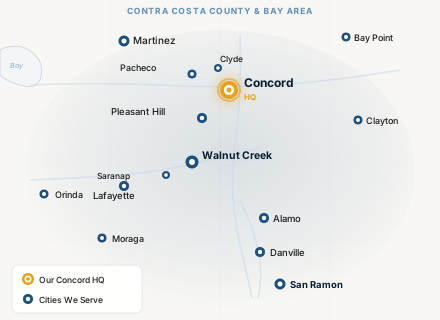
Related Services
More commercial services
For Commercial
Backflow Testing & Repair
Certified testing, same-day repair, and compliance report filing for all assembly types.
View ServiceAnnual compliance
For Commercial
Commercial Water Heaters
Installation, repair, and maintenance for commercial hot water systems of all sizes.
View Service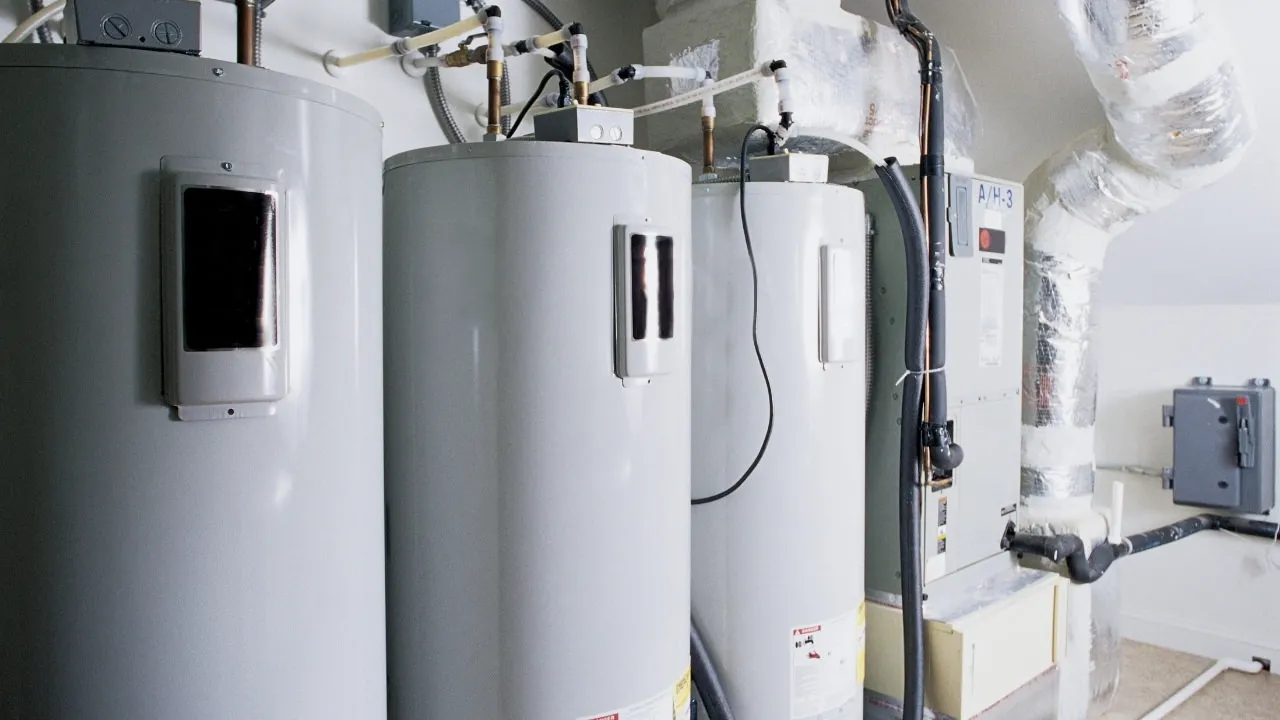
Pressure-sensitive systems
For Commercial
Gas Line Services
Commercial gas line installation, repair, and pressure testing by licensed contractors.
View Service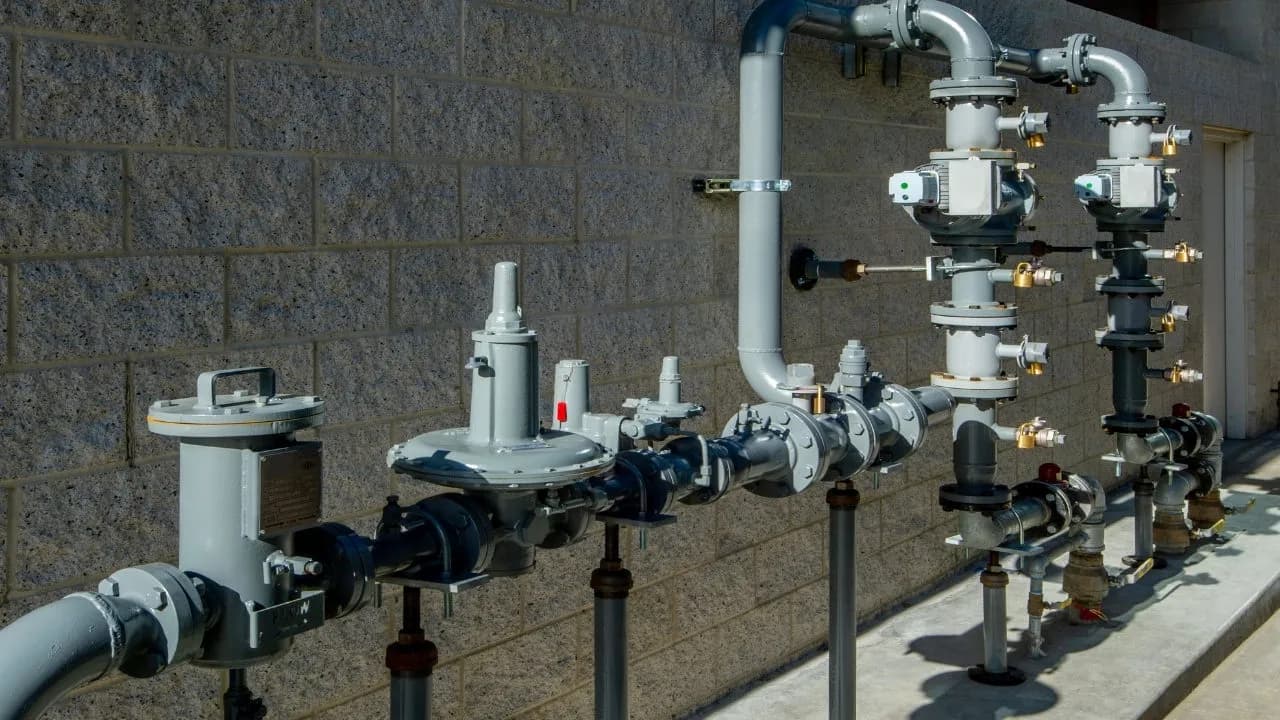
Licensed commercial work